


 go back
Scope / Goals
The working group will define a standardised and flexible architecture for vending and coffee machines using OPC UA. The discussions are focused on system modularity, centralised price management, the integration of the UI and payments, and data collection for audit purposes. The upcoming hackathon is a key step in validating the OPC UA model and moving toward concrete implementation.
Modular Architecture and Separation of Concerns:
A clear separation is sought between the different components of the system: machine engine, UI, price service, payment service and audit collection. This modularity is intended to facilitate maintenance, updating, and adapting the system to different types of machines and configurations.
Pricing Management and Pricing Server:
The pricing server is central to managing prices, allowing the calculation of prices based on various factors: user ID, payment method, machine configurations, promotions, etc. It must be flexible enough to handle complex pricing strategies based on user behavior, loyalty, time of purchase, or specific selections..
User Interface (UI):
The UI should be standardised for both client interactions and technical configurations. Separating the user UI from the technical menus for machine settings is essential..
Integration of Payments:
The payment system must be separate from the machine, handling all payment-related tasks independently.
Vending Machine
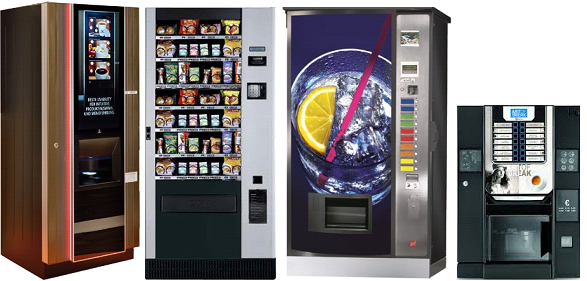
A Vending Machine is an operational machine located either at a client site or in a public location designed specifically for the sale and dispensing of food, drinks, and other goods and services. The EVA does not include cigarette or gaming machines within this definition.
10,000 operating companies manage the vending machines across Europe, while the industry overall employs more than 85,000 people directly, bringing manufacturing jobs and contributing to the EU’s industrial strategy.
Office Coffee Service (OCS)
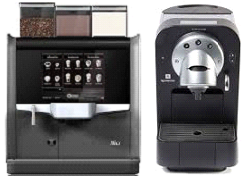
While 64% of the vending industry is made up of hot drinks/coffee machines, OCS is a specific part of this segment and involves a hot drink table-top operation in the office environment, maintained and supplied with ingredients by the operator. OCS machines, however, are filled by the company where the machines are located, and these systems do not usually have coin/payment systems as a ‘free’ and quality coffee provision in the office is more and more seen as a necessity for workers and a service provided by companies for their employees.
Unattended Retail (Micromarkets & Smart Fridges)
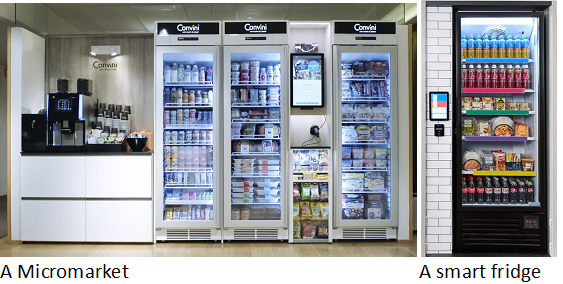
Micromarkets are small, unattended convenience stores in workplaces. A new and growing trend in Europe, with more than 10,000 in operation as of 2023 and typically include the following elements:
- Products are on open shelves, or chiller cabinets or fridges so consumers can select them as they would in a store
- Selected products are scanned by the consumer either at a central unattended till, or using a smartphone app
- Payment is taken either at the central till (usually cashless), or through a smartphone app
- Usually includes at least one hot beverage machine
- May include a microwave to heat purchased food
- May include an area with tables and seating
The EVA estimates the total number of Smart Fridges across Europe to be between 2,500 and 3,500, with more machine operators operating Smart Fridges than Micromarkets in Europe.
Working Group Type
Joint
Status
Active
Chair(s)
Collaboration Partner(s)

Classification(s)
Consumer Industries